
What causes bloating? And why you might feel worse after eating
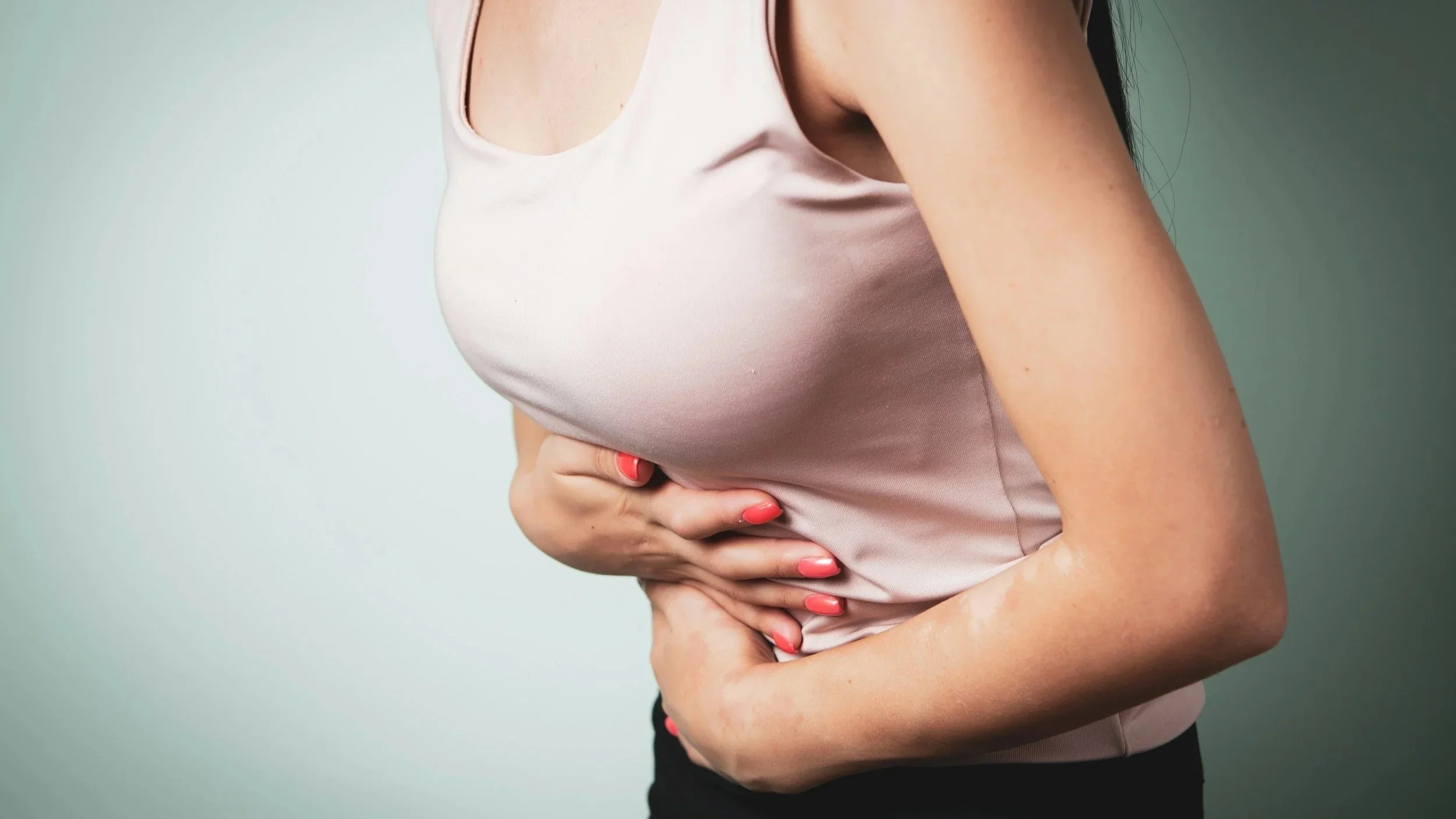
Bloating is one of the most common things I see in clinic and also one of the most frustrating!
I’ve had clients come to me saying things like, “I can eat really well all day and still feel like I’m pregnant by the evening.” Or “I don’t even know what food is causing it anymore.”
If that sounds familiar, you’re not alone.
Bloating isn’t just about one food or one cause. It’s usually a mix of things going on in the background - digestion, gut function, stress, and even how and when/how you’re eating.
So what actually causes bloating?
In simple terms, bloating happens when gas builds up in the digestive system or when digestion isn’t working as smoothly as it should.
Some of the most common reasons I see include:
1. How you’re eating, not just what you’re eating
Eating quickly, skipping meals, or eating when stressed can all affect digestion. One client I worked with noticed her bloating was much worse on busy workdays when she was eating at her desk in between meetings.
2. Food triggers and sensitivities
This doesn’t mean you need to cut out loads of foods. But sometimes certain foods can be harder to break down depending on your gut at that time.
3. IBS and gut sensitivity
Many people I work with have IBS-type symptoms, even if they’ve never been formally diagnosed. Bloating is often one of the main symptoms.
4. Stress and the gut-brain connection
This is a big one. When your nervous system is constantly “on,” digestion often takes a back seat.
Why you might feel worse after eating “healthy”
This is something I hear all the time.
You start eating more salads, fibre, and “clean” foods, but your symptoms actually get worse.
This doesn’t mean healthy food is the problem. It usually means your gut is just a bit overwhelmed or sensitive at the moment and needs a more supportive approach to digestion and repair your digestive system.
I often help clients slow things down, simplify meals, and rebuild digestion and gut health gently rather than restricting loads of foods.
What can help?
There’s no one-size-fits-all answer, but in practice I usually look at:
Meal patterns and eating habits
Stress levels and daily routine
Digestive function and symptom patterns
Food tolerance and variety (without unnecessary restriction)
Most importantly, it’s about stepping away from the panic of “what do I cut out?” and moving towards “what is my body actually telling me?”
Final thought
If you’re struggling with bloating, especially after meals, it’s not something you just have to put up with. It’s usually a sign that something deeper in digestion needs support — and it is possible to improve it in a sustainable way.
If this resonates, this is exactly the kind of thing I support clients with in clinic.
